
How to Interview a Tarot Deck | Questions and Spread for Beginners
First, I want to say congratulations on getting your first tarot deck. When you bring a new tarot deck home, it’s normal to feel excited and unsure at the same time. You may be wondering whether you need to cleanse it, study it, shuffle it a certain way, or somehow “do it right.” I know, this is how I felt at first.
Here’s the truth of what I learned, and I always share with beginners: there is no rush, and there is no test. Tarot is a relationship, and like any relationship, it begins with a conversation.
That’s what a tarot deck interview really is. It’s simply a way to introduce yourself to the deck and give it space to introduce itself to you.
You’re not asking the deck to prove anything. You’re not asking for predictions or big messages. You’re just getting to know how the deck communicates and what kind of support it offers.
If you can have a thoughtful conversation with a friend, you already have everything you need to do this.
Before You Begin: Set a Comfortable Space
There is no need for a formal ritual or a perfectly arranged altar. What matters most is that you feel calm, present, and undistracted.
Many people like to place their cards on a tarot cloth or soft fabric. This isn’t required, but it can help the experience feel more intentional and keeps the cards protected. A simple cloth from Amazon works beautifully and can become part of your regular practice over time. I used a fabric shower curtain that I had lying around.
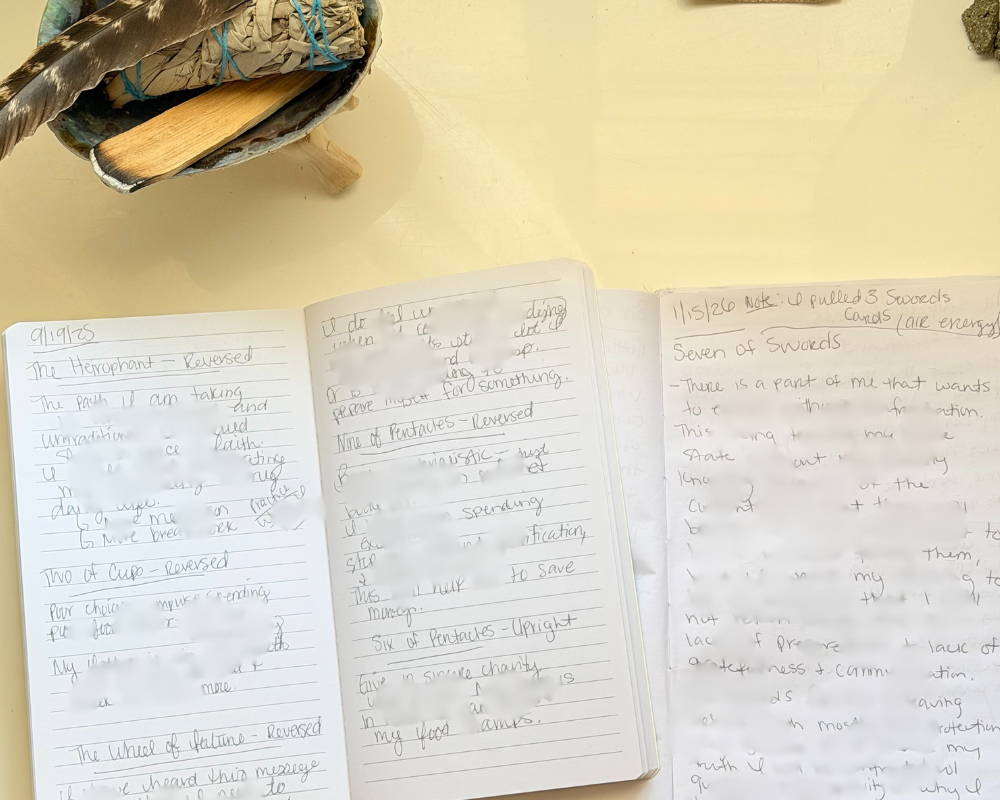
You may also want a journal nearby. This doesn’t need to be elaborate or expensive. A guided tarot journal or a simple blank spiritual journal is enough. Writing down your impressions helps you trust yourself and gives you something to look back on later.
If your deck didn’t come with a box you love, a deck bag or pouch is another helpful addition. It keeps the cards safe and creates a sense of care around the deck, especially if you plan to carry it with you.
Once you’re settled, take a moment to shuffle your cards slowly. There’s no right way to shuffle. Just do what feels natural and grounding.
The Deck Interview Spread (Simple and Supportive)

Here is the deck interview spread that I created for myself. This spread is gentle and beginner-friendly. It gives you insight into how the deck works with you without overwhelming you.
I also like to say a little attunement before I get started. It’s more like blessing the cards, or infusing my energy into them. As you shuffle, focus on the intention of getting to know your deck. When you feel ready, lay out five cards in front of you, one at a time, and read each question slowly before turning the card over.
The first card asks: What is your overall energy as a deck?
This card gives you a sense of the tone of the deck. Some decks feel direct and structured. Others feel nurturing or emotionally expressive. There’s no wrong answer here—just an introduction.
The second card asks: What are you best at helping me with?
This card often shows where the deck shines. It may point toward clarity, emotional insight, personal growth, or everyday guidance.
The third card asks: What kind of readings do you prefer to give?
Some decks work best with practical questions. Others excel at deeper reflection. This card helps you understand how to approach the deck moving forward.
The fourth card asks: What do you need from me to work well together?
This is one of the most important cards. It may suggest patience, consistency, honesty, or trust. Think of this as guidance rather than a demand.
The fifth card asks: What can our relationship look like over time?
This card offers reassurance. It often reflects growth, confidence, and connection, especially for beginners.
Take your time with each card. There is no need to rush or interpret everything perfectly.
How to Read the Cards Without Overthinking
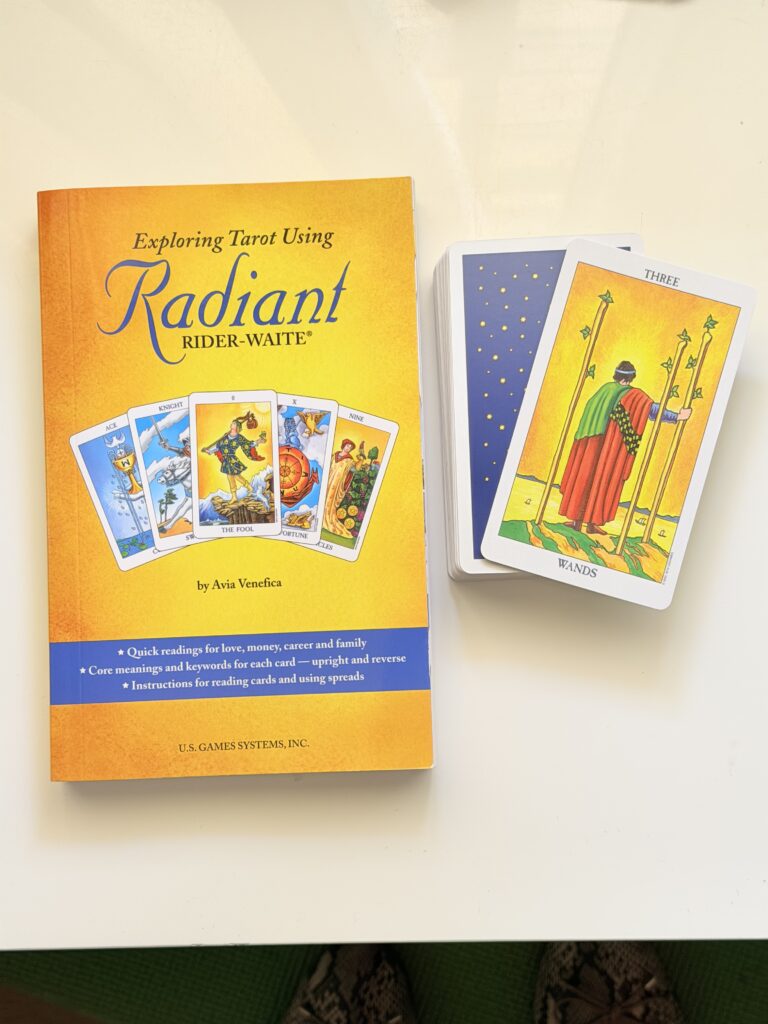
It’s easy to go straight into the guidebook, it’s okay to reference it. To get the best reading use your intuition first. At the same time, notice what stands out to you before reading the description. Pay attention to colors, expressions, symbols, or emotions that catch your eye.
You might feel unsure at first. That’s normal. Confidence doesn’t come from being certain—it comes from being willing to listen.
This is where journaling becomes especially helpful. Write down what you think each card is saying, even if it feels incomplete. Over time, you’ll notice patterns and growth in how you read.
Many beginners are surprised by how supportive their first deck interview feels. It’s often less dramatic than expected and more grounding than intimidating.
After the Interview: What Comes Next
Once you’ve completed the interview, there’s nothing else you have to do. Some people like to place the cards back in order. Others shuffle them back into the deck right away. I like to reshuffle them. It’s all personal preference.
You may want to store your deck in its bag or box and return to it later the same day or the next morning for a simple one-card pull. There’s no rule here—just follow what feels comfortable.
If you like structure, keeping your deck, journal, and cloth together creates a sense of continuity. It makes it easier to return to your practice without hesitation.
A Gentle Reminder for Beginners
You don’t need to be intuitive in a dramatic way. You don’t need to receive messages instantly. Tarot is learned through repetition, patience, and curiosity.
Interviewing your deck is not about getting it “right.” It’s about beginning.
The fact that you’re asking questions, listening, and showing up already means you’re doing wonderfully.
If you’re still choosing your first deck or want a beginner-friendly option that pairs well with this kind of practice, you can explore my full guide here:
Best Tarot Decks for Beginners
That guide walks through popular, well-rated decks and helps you choose one that fits your learning style.
Happy Tarot Reading!
Affiliate Disclosure:
This post may contain affiliate links. If you choose to make a purchase through one of these links, I may earn a small commission at no additional cost to you. I only recommend products I genuinely believe can support your spiritual practice.


You May Also Like

BAIMEI Jade Roller and Gua Sha Review: A Gentle Ritual That Actually Helped My Puffiness
Blue River Sage Smudging & Energy Cleansing Kit Review